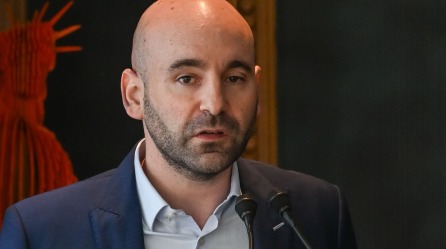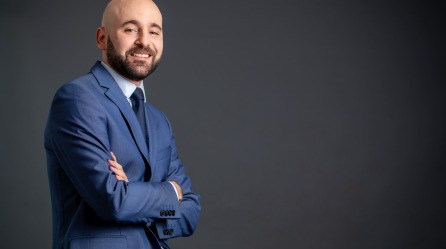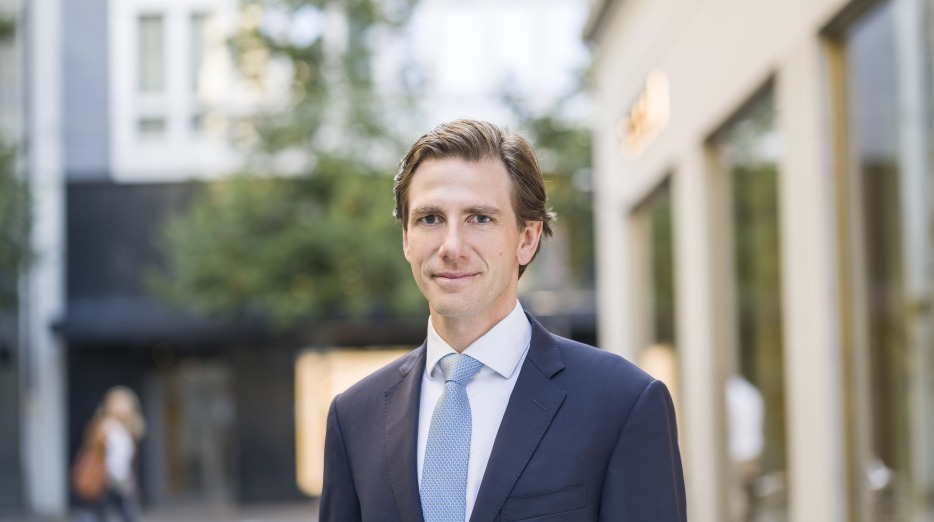
Maximilian Kunkel is the Chief Investment Officer for Global Family and Institutional Wealth at UBS. Based in Zurich, he is at the helm of advising some of the world’s most prominent family offices. In this exclusive interview, Kunkel shares insights from the 2025 UBS Billionaire Ambitions Report, shedding light on the evolving values, strategies, and challenges facing the global billionaire class.
This generation has demonstrated extraordinary resilience in a time of geopolitical uncertainty and economic complexity. In 2025 alone, 196 new self-made billionaires emerged—our second-highest figure since 2021. What makes them unique is their ability to commercialize innovation that addresses real-world challenges, from climate to healthcare, across a wide array of industries, not just technology. Many are applying tech in new ways to scale solutions efficiently. We see this trend notably in the U.S. and Asia, but Europe is also present, albeit more modestly. The key differentiator is the entrepreneurial mindset that thrives despite turbulence, seeking to drive systemic impact through scalable business models.
Kunkel: It’s certainly both. On the one hand, the demographic aspect is inevitable—many successful post-WWII entrepreneurs are reaching an age where succession is unavoidable. But what’s more interesting is the shift in values and intentions. Families are no longer simply handing over companies. Instead, they want to transmit values—integrity, responsibility, and entrepreneurial spirit—while encouraging their heirs to succeed independently. The next generation is not necessarily expected to replicate the previous one’s path but to create something new with the same ethos. This is especially true in Europe, where wealth transfer is most pronounced.
It’s a subtle balancing act. Our survey shows 82% of billionaires want their children to develop the skills and values necessary to thrive independently, while 43% also hope they will continue the family business. What this reveals is a shift from legacy preservation to value transmission. The next generation is often tech-savvy and purpose-driven. Instead of taking over the exact same business, they may use innovation and digital tools to transform or build upon the legacy. We also observe strong emphasis on societal engagement and sustainability, which are becoming natural components of their entrepreneurial journey.
Absolutely. This is a major trend. Wealth is increasingly mobile, and ultra-high-net-worth individuals are prioritizing quality of life, safety, education, and healthcare when choosing where to live. Monaco, for example, is particularly attractive due to its security and infrastructure. However, relocation is not a light decision. Emotional and operational ties to one’s country—such as business, family, or community—can be strong. It takes significant motivations to move, and geopolitical risk, taxation, and long-term family planning are central factors.
Many of these individuals are natural entrepreneurs. They distinguish between what they can and cannot control. In times of uncertainty, they prefer assets where they can exert some influence, such as private equity or direct investments. These allow them to stay engaged and apply their expertise while maintaining long-term focus. Public markets are too volatile for some, while private investments offer strategic alignment with their values and interests. In our report, over 40% indicated an intention to increase direct private equity exposure. It’s less about speculation and more about patient, engaged capital.
Sustainability is no longer seen as a niche—it’s becoming embedded in the entrepreneurial DNA of this generation. Rather than investing in ESG for image or compliance reasons, they often view sustainability challenges as opportunities for business creation. Whether it’s in food, energy, health or technology, they’re asking: How can we solve this, and how can we scale a viable business model? Risk management and social cohesion are central, both internally within their companies and externally with communities.
That depends on their background. Those with a technological or digital entrepreneurship profile show great curiosity about the underlying technology—blockchain, decentralized finance, and so on. However, few use crypto as a portfolio cornerstone. The volatility and lack of predictable forward returns make it unsuitable for most. It’s more about understanding the innovation rather than seeking speculative gains.
Undoubtedly. Nearly 44% of billionaires expect to live significantly longer than they did ten years ago. This changes everything—from estate planning to investment horizons. Succession strategies are being updated more regularly. We’re seeing greater attention to healthcare innovations, longevity-focused real estate, and tailored financial planning. There’s also a psychological shift: more years of leadership imply more time to prepare successors, ensure alignment of purpose, and foster resilience across generations. The question isn’t just “How long will I live?” but “How do I ensure that long life remains meaningful, productive, and anchored in purpose?”
The optimism. Despite a turbulent backdrop—war, inflation, digital disruption—these entrepreneurs continue to build with conviction. Innovation is alive and well. It’s not confined to Silicon Valley or AI, but emerging in areas as diverse as infrastructure, genetics, and consumer sectors. The spirit of entrepreneurship—taking challenges and turning them into opportunities—is what defines this generation. That gives me hope, not just for the economy, but for society as a whole.