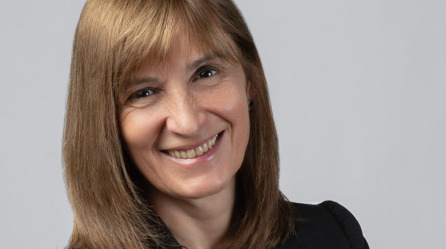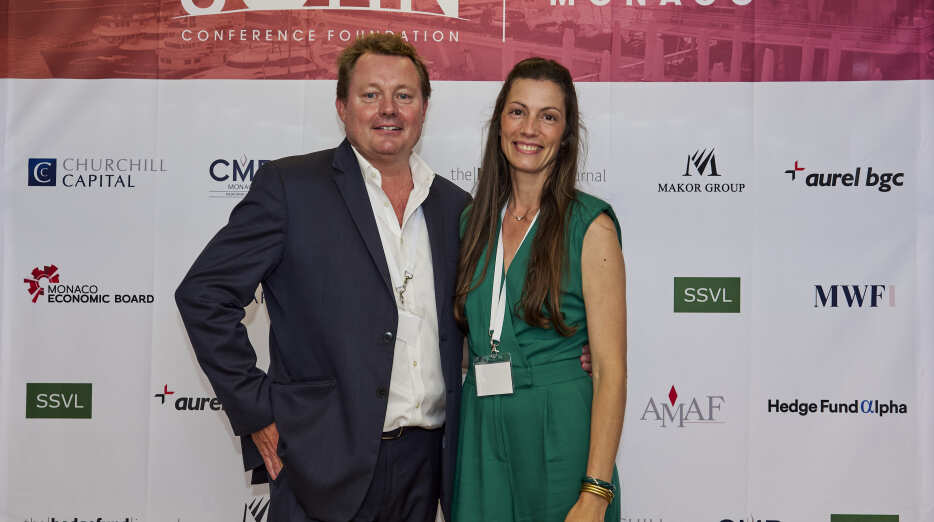
At the intersection of financial markets and philanthropy, the Sohn Monaco Investment Conference has established itself as a must-attend event in Europe. Co-chaired by Florence Tournier, Head of European Strategic Equity at Churchill Capital, and Justin Hilbert, this annual conference brings together leading international investors to support pediatric cancer research. The next edition will take place on June 24, 2026, in Monaco, under the High Patronage of H.S.H. Prince Albert II.
Beyond its philanthropic dimension, what distinguishes Sohn Monaco — like all Sohn conferences — lies in its format and the uniqueness of its content. On stage, fund managers do not present their fund’s strategy or performance in the traditional way. They unveil a specific investment idea, kept confidential until the day of the conference. They explain in detail their analysis of a company: the reasons behind their conviction (outperformance or underperformance), their relationship with management, as well as the micro and macroeconomic factors supporting their thesis. For a few minutes, through a structured and focused presentation, participants gain access to the decision-making process of leading fund managers. This immersive format makes the talks both concrete, educational, and stimulating, and opens the door to rich discussions throughout the day.
We select speakers based on their background, performance, reputation, awards received, and recognition by their peers. No strict thematic editorial line is imposed, which allows for a wide diversity of topics and speaking styles, while remaining attentive to the broader social and geopolitical context. This approach explains the variety of investment theses presented, even though certain trends may emerge from year to year. Last year, for example, there was a noticeable tilt toward the real economy and essential infrastructure, particularly in the aerospace, energy, and healthcare sectors.
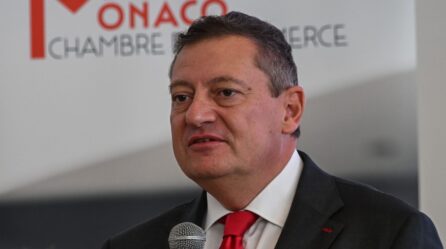
After several editions, Sohn Monaco has gradually established itself as a recognized event in Monaco’s financial landscape, with influence that now extends well beyond the Principality. The presence of H.S.H. Prince Albert II at the previous edition, held under His High Patronage, as well as the participation this year of Mr. Frédéric Cottalorda, Minister of Finance and Economy, reflect this growing institutional recognition. We also observe, year after year, increasing interest from investors, institutional players, and philanthropists, all united around a common goal: supporting medical research and therapeutic innovation. The conference’s evolution will naturally continue in this direction. We aim to keep expanding the audience while preserving what makes Sohn unique: a high level of rigor, high-quality content, and concrete philanthropic commitment. The format may also gradually evolve with new highlights. For example, Sohn New York organizes a Women in Finance Breakfast, an initiative that could also find its place in Monaco and further diversify both discussions and participant profiles. Finally, the causes supported will continue to evolve alongside advances in research and identified needs, with the constant goal of maximizing the impact of the funds raised.
We prioritize long-term support, in collaboration with the CHU de Nice and the C3M/INSERM. The teams are working in particular on targeting the ribosome in childhood leukemias and pediatric cancer relapses — a research area that involves bioinformatics expertise to better understand the underlying molecular mechanisms — as well as on innovative approaches to profiling drug response, which help guide more personalized treatments in high-risk acute lymphoblastic leukemias. Regarding impact, it is measured in very concrete terms: scientific progress, publications, and above all the ability of research teams to accelerate their work thanks to the funding received.